Ranthambore National Park is one of India’s best-known wildlife destinations, attracting nature lovers, photographers, and adventure seekers from around the world. Located in Rajasthan, the park is famous for its Bengal tigers, diverse wildlife, and dramatic landscapes.
With ancient ruins, forest trails, lakes, and rocky hills, Ranthambore offers a different perspective on India beyond its bustling cities and historic monuments.
Why Visit Ranthambore National Park?
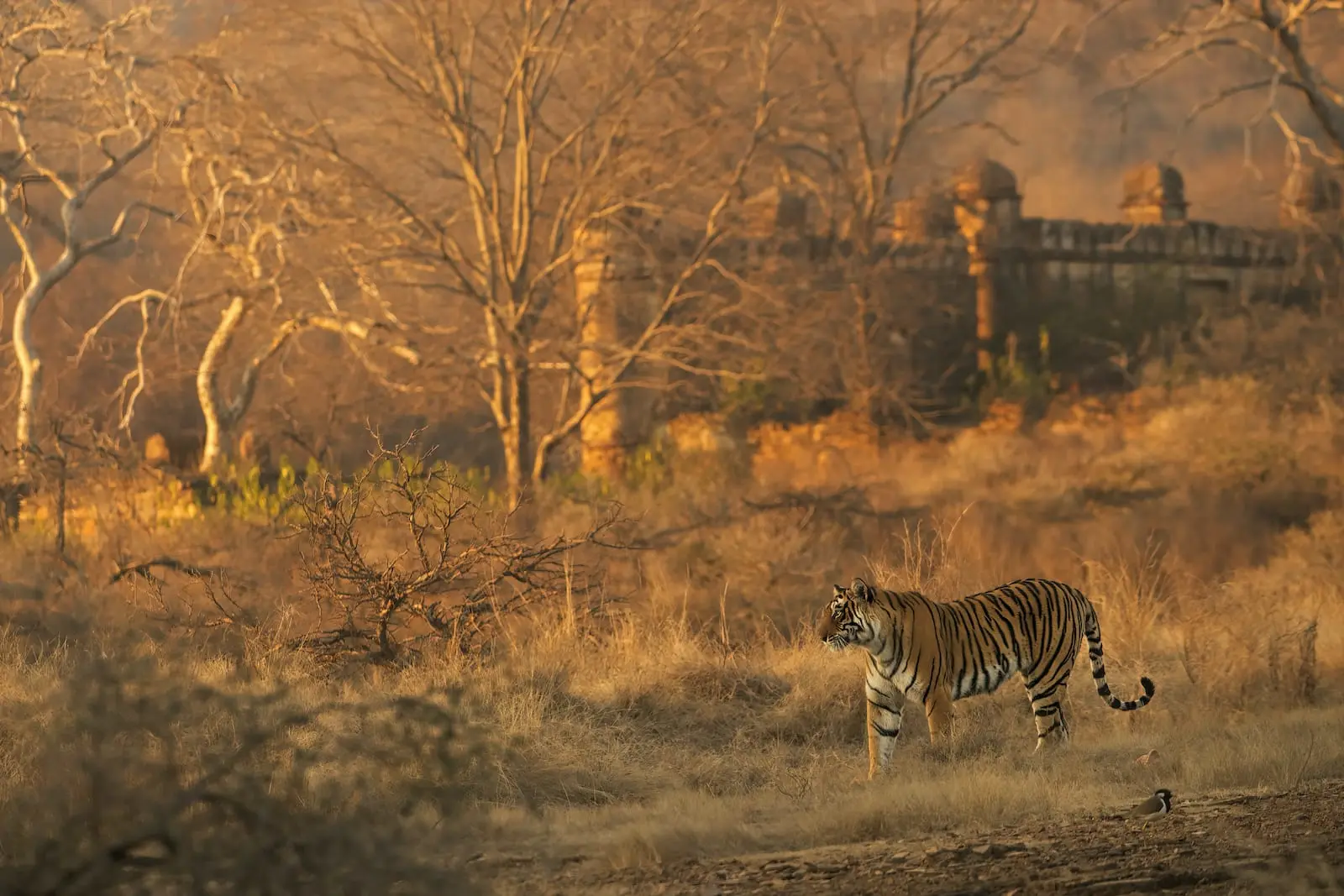
Ranthambore is particularly popular for tiger safaris, offering visitors an opportunity to explore the natural habitat of these magnificent animals.
The park is also home to leopards, sloth bears, striped hyenas, deer, crocodiles, and numerous bird species. Wildlife sightings depend on the season, weather, animal movements, and other natural factors, making every safari a unique experience.
Best Time to Visit Ranthambore
The main safari season generally runs from October to June, although exact opening periods and zone availability can vary.
The cooler months are often comfortable for exploring the park, while the warmer months may offer different wildlife-viewing conditions. Some park areas or safari routes may close seasonally, so check current official information before booking.
Experience a Wildlife Safari
A guided safari is one of the highlights of visiting Ranthambore. Visitors usually explore designated routes in an authorised safari vehicle accompanied by a trained guide.
During the journey, you may spot wildlife near water sources, observe birds in the trees, or discover animal tracks along forest paths.
Patience is an important part of the experience. Tigers are wild animals, and sightings can never be guaranteed.
Explore the Historic Ranthambore Fort
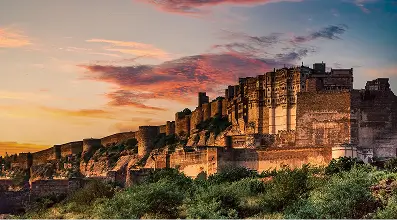
Ranthambore is not only a wildlife destination. The historic Ranthambore Fort stands within the wider landscape and reflects the region’s rich past.
Its ancient structures, gateways, and elevated viewpoints provide a fascinating contrast to the surrounding forests. The fort is also recognised as part of the UNESCO World Heritage-listed Hill Forts of Rajasthan.
Check access arrangements and local guidance when planning a visit.
Wildlife Photography Tips
- Carry a camera or binoculars suitable for wildlife viewing.
- Use a suitable zoom lens to photograph animals from a respectful distance.
- Follow your guide’s instructions at all times.
- Avoid sudden movements and loud noises.
- Never feed or attempt to approach wild animals.
- Be patient and enjoy the entire forest experience, not just tiger sightings.
What to Pack for Ranthambore
Pack comfortable clothing, walking shoes, sun protection, a hat, and drinking water where permitted. Early morning safaris can feel cool during winter, so an extra layer is useful.
Bring your booking confirmation and valid identification, and follow all park regulations regarding luggage, equipment, and visitor conduct.
How to Reach Ranthambore
Sawai Madhopur is the main railway town for visiting Ranthambore National Park. Travellers can reach the area by train or arrange a road transfer from nearby destinations.
Ranthambore can also be included in a wider Rajasthan itinerary or combined with a journey through India’s Golden Triangle, depending on your available time.
Make Your Ranthambore Journey Memorable
A trip to Ranthambore combines wildlife, history, and the natural beauty of Rajasthan. Whether you are hoping to photograph a tiger, observe birds, or simply experience the atmosphere of the forest, the destination offers a memorable escape from city life.
Plan ahead, travel responsibly, and allow yourself enough time to appreciate the remarkable landscape.
Explore our private tours to discover how Ranthambore can fit into your personalised Indian adventure.